

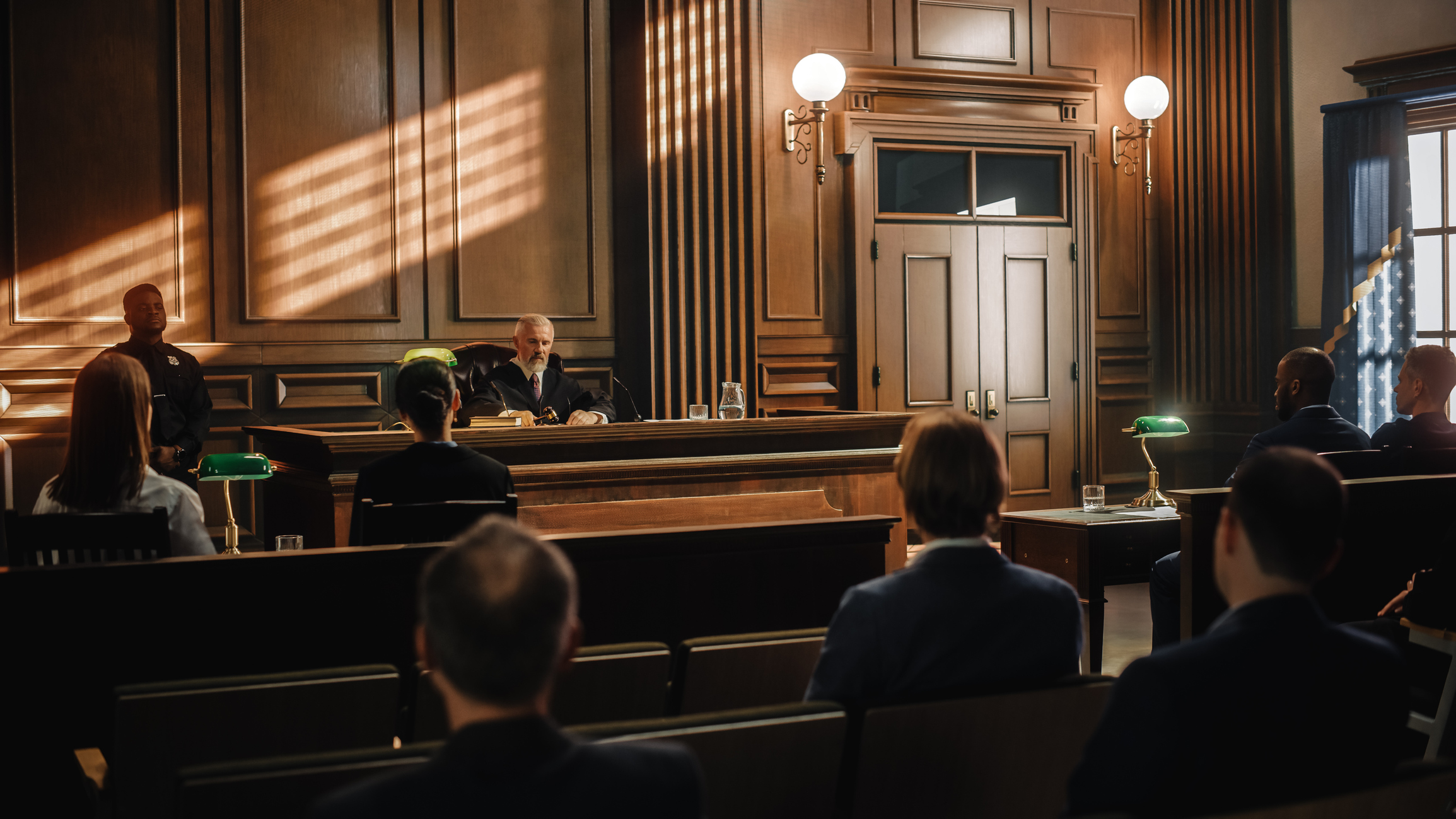
Ask any seasoned litigator about the cases that are hardest to settle, and you’ll hear the same answer: it’s not the case with the biggest damages number or the most complicated facts. It’s the case where both sides walk into mediation genuinely convinced they’re going to win at trial or in arbitration. Each side has built its case, each side believes the evidence favors them, and each side views settlement as a concession rather than a strategic choice.
Why Both Sides Usually Believe They’ll Win
This isn’t a flaw in the process. It’s a natural byproduct of how litigation works. Litigators are advocates. They spend months assembling evidence, developing theories, and preparing to persuade a judge, jury, or arbitrator. Over time, that preparation creates genuine conviction. You don’t build a case for months without starting to believe in it.
Clients reinforce this. They’ve lived the facts from their perspective, and they’ve hired a litigator who confirms that their perspective has legal merit. By the time mediation arrives, both parties have spent considerable money and emotional energy. Admitting uncertainty at that point feels like admitting the investment was a mistake. So both sides show up confident, and the gap between their positions can look impossible to bridge.
The Numbers Problem
Here’s the reality that neither side wants to sit with: if the plaintiff thinks there’s an 80% chance of a favorable verdict and the defendant thinks there’s a 70% chance they’ll prevail, those numbers add up to 150%. Somebody’s assessment is off. In most disputes, both assessments are off to some degree. Trials and arbitration hearings are unpredictable by nature. Witnesses don’t always perform the way they did in preparation. Judges and arbitrators bring their own perspectives. Juries are juries.
Seasoned litigators know this intellectually, but it’s difficult to internalize when you’re the one heading into the hearing. A candid risk assessment, one that honestly accounts for what could go wrong, is one of the most valuable exercises a party can undertake before or during mediation. It’s also one of the hardest.
The Cost of Proving You’re Right
Even when a party’s confidence is well-founded, the cost of vindicating that confidence can be staggering. Remaining discovery, expert fees, motion practice, and the trial or arbitration hearing itself all carry financial costs that compound over months or even years. Then there are the costs that don’t show up on an invoice: the time your client spends in depositions instead of running their business; the emotional weight of an unresolved dispute; and the uncertainty that hangs over everything until a trier of fact issues a decision.
It’s worth asking a direct question: even if you win, will the outcome be better than what you could have negotiated today? In many cases, when you factor in the financial, emotional, and time costs of getting to a verdict or an arbitration award, the answer is no. That’s not a reason to accept a bad settlement. But it is a reason to evaluate any reasonable offer against the full cost of the alternative, not against an idealized version of trial where everything goes your way.
How a Mediator Moves the Conversation Forward
When both sides are entrenched, a mediator with real litigation and arbitration experience can do something that the parties can’t easily do for themselves: have a credible, private conversation with each side about risk. This isn’t about telling anyone they’re wrong. It’s about asking the questions that advocates, by nature of their role, sometimes stop asking themselves. What happens if your key witness doesn’t hold up? What if the arbitrator reads that contract clause differently than you do? What does your client’s next two years look like if this doesn’t resolve today?
A mediator who has spent years in courtrooms, arbitration hearings, and high-stakes negotiations can ask those questions with the credibility that comes from having faced those same uncertainties firsthand. That credibility matters. It’s the difference between a reality check that lands and one that gets dismissed. And once both sides start engaging honestly with the risks, the conversation often shifts from “who’s going to win” to “what resolution can we both live with.”
Confidence Can Be an Asset at the Table
It’s important to recognize that confidence in your case isn’t a problem to be solved. Parties who believe in their position negotiate with conviction, and that can lead to better outcomes than walking in ready to capitulate. The issue isn’t confidence itself. It’s when confidence prevents a party from engaging with the process at all, when “we’ll win at trial” becomes the answer to every settlement proposal, regardless of the terms.
The most productive mediations often involve parties who are confident but also willing to be honest about the costs, the timeline, and the inherent uncertainty of letting a trier of fact decide the outcome. That combination of conviction and pragmatism is where settlements happen.
Getting Past the Impasse
Disputes where both sides are confident don’t have to end in a stalemate. They require a mediator who understands the dynamics of litigation and arbitration well enough to engage with both sides at a substantive level and help them identify resolution options that serve each party’s needs.
Chris Vernon has spent decades on the litigation and arbitration side of complex disputes, and he brings that firsthand perspective, built across courtrooms, arbitration hearings, and high-stakes negotiations, to every mediation he conducts. His approach is to help the parties engage honestly with the risks and find a resolution that both sides can move forward from.
If you have a dispute where settlement discussions have stalled, you can learn more about our mediation practice and view Chris’s availability here.