

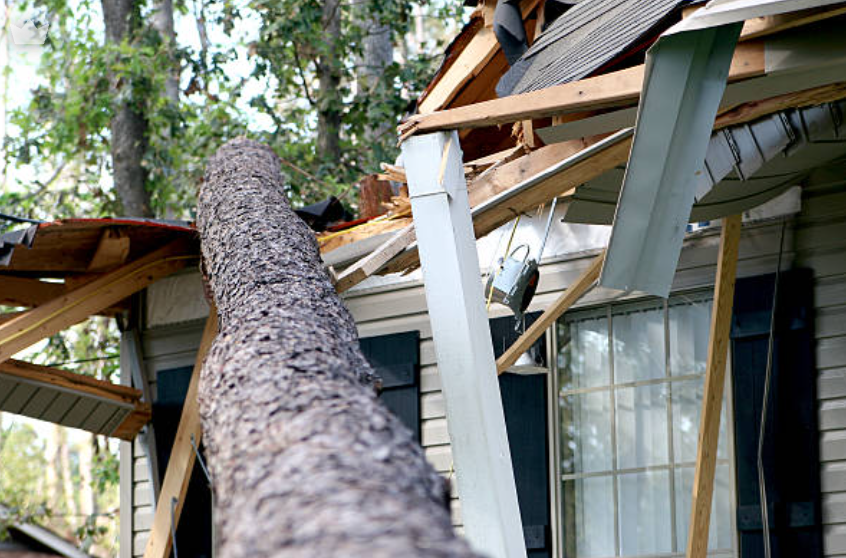
A denial letter is the insurer’s explanation of its current coverage position. It is not a final answer to every question the policy raises. A Hurricane Isaias wind damage claim denied after roof, exterior, or interior damage may turn on the stated cause of loss, the evidence the insurer reviewed, an exclusion, or what its estimate included.
Since 2008, we’ve handled complex litigation involving detailed records, disputed financial obligations, and high-stakes claims. For Pensacola, FL property owners reviewing a Hurricane Isaias denial, the useful starting point is the policy language and the physical evidence, not the label a single inspection placed on the loss.
Why Hurricane Isaias Wind Damage Claims Get Denied
Insurers commonly deny or reduce claims by identifying a cause they contend falls outside the Florida homeowners insurance policy, isn’t supported by the evidence, or isn’t related to the storm. The denial letter should state the coverage provision, exclusion, condition, or factual conclusion the carrier relied on. A claim denied for wear and tear, deterioration, or pre-existing damage deserves a close comparison between the property’s condition before the storm and its condition afterward. A roof can have age-related wear and still sustain separate wind damage, but the available evidence must support that distinction.
Documents to gather before responding:
- Coverage Denial Letter: Review the exact reason for denial, cited policy provisions, and any deadline stated in the letter.
- Policy Documents: Collect the declarations page, full policy, endorsements, hurricane deductible information, and renewal materials.
- Inspection Materials: Request or preserve the insurer’s estimate, adjuster notes when available, photographs, and engineering or roofing reports.
- Property Evidence: Organize before-storm photographs, after-storm photographs, videos, maintenance records, repair invoices, and contractor estimates.
Damage location doesn’t always establish damage cause. Water staining on a ceiling may follow wind damage to shingles, flashing, vents, siding, windows, or another part of the building envelope. The relevant question is how water entered, not simply that water appeared indoors.
Wind Damage Versus Flood & Storm Surge
Wind, wind-driven rain, storm surge, and rising surface water are different mechanisms of loss. Whether a particular loss is covered depends on the policy language, the facts, and whether separate flood insurance applies.
Wind-driven rain is rain pushed into a structure by high winds. Some policies treat rain damage differently depending on whether wind first created an opening in the roof, wall, window, or another exterior surface. A storm-created opening is physical damage that allows water to enter, and inspection findings about that entry path matter. Useful evidence includes lifted or missing roofing materials, damaged flashing, broken windows, displaced siding, interior staining beneath a damaged area, and photographs taken shortly after the storm.
Storm surge is water pushed inland by a storm. Flooding generally involves rising or accumulating surface water. Standard property coverage and flood insurance often address these risks differently, so a carrier may focus on whether water entered from above through storm damage or from outside as rising water. That distinction has real consequences for whether a claim is covered and under which policy.
Concurrent causation means more than one cause may have contributed to a loss. The Florida Office of Insurance Regulation has cautioned insurers against inappropriate denials where wind and storm surge both contributed to damage. That doesn’t establish coverage in every mixed-cause claim, but it reinforces why the evidence should distinguish damaged roof or wall components, water entry paths, debris patterns, elevation information, and signs of surge or surface water.
What to Do After a Denied Isaias Claim
Protecting the property and preserving proof should happen together. The Florida Department of Financial Services advises affected residents to make reasonable emergency repairs to prevent additional damage while keeping records of the work and related costs.
Build a post-denial file:
- Document Conditions: Take dated photographs and video of every affected room, exterior surface, damaged material, and temporary repair.
- Keep Damaged Materials: Retain removed roofing, broken components, or other physical evidence when practical and safe to do so.
- Obtain Detailed Estimates: Ask contractors to identify damaged components, proposed repair scope, quantities, and pricing rather than a lump-sum figure.
- Track Expenses: Save receipts for tarps, water removal, drying, temporary repairs, storage, and other reasonable mitigation measures.
- Preserve Communications: Keep emails, letters, claim notes, voicemail records, inspection notices, and every version of the insurer’s estimate.
A carrier estimate may omit rooms, materials, demolition, code-related work, personal property, or the labor required to reach damaged structural components. Comparing the insurer’s line items against independent repair documentation can reveal whether the disagreement involves coverage, price, quantity, repair method, or an overlooked portion of the loss.
Florida Deadlines & Claim Options
Prompt notice matters even when a statutory deadline hasn’t expired. Delayed reporting makes it harder to document conditions, locate damaged materials, and respond to an insurer’s claim that it couldn’t complete a meaningful investigation. The applicable deadline depends on several sources, including policy notice provisions and Florida law governing the type of claim involved. Initial claims, reopened claims, and supplemental claims (which generally seek payment for additional loss or damage from the same event not fully addressed in an earlier adjustment) can each involve different timing questions. A denial letter shouldn’t be the only document used to calculate a deadline.
Possible paths after a denial:
- Request for Reconsideration: Submit additional documentation and ask the insurer to reevaluate a specific conclusion or omitted damage item.
- Supplemental Claim: Present newly identified damage, repair costs, or information not included in the original adjustment.
- Appraisal: Use a policy-based process that may address the amount of loss when the policy permits it, though it may not resolve every coverage dispute.
- Regulatory Assistance: Contact appropriate state consumer resources when communication or claim-handling concerns require attention.
- Litigation: Evaluate legal action when the dispute involves coverage, causation, policy interpretation, claim handling, or an unpaid loss.
Pensacola and Escambia County residents can also consult state and local recovery resources for disaster information, contractor referrals, and insurance assistance. Those resources are useful alongside (but don’t replace) a careful review of the insurance policy and claim record.
When Legal Review May Help
Legal review is worth considering when a carrier cites an exclusion without clearly connecting it to the observed damage, attributes all water damage to flood or storm surge without accounting for wind, or reaches a wear-and-tear conclusion that conflicts with the property record. It’s also worth considering when a partial payment leaves a substantial gap between the insurer’s estimate and documented repair needs.
Our attorneys evaluate policy language, claim correspondence, legal deadlines, coverage disputes, and available legal options. A public adjuster may help document and present a property claim, a contractor estimates and performs repair work, and an engineer may assess the physical cause of structural or building-envelope damage when that issue is disputed. Those roles can overlap in the documents they produce, but they aren’t interchangeable, and none of them replace a review of the legal rights attached to a denied claim.
A Hurricane Isaias wind damage claim denied in Pensacola shouldn’t be evaluated in isolation. The actual policy language, the physical evidence, and the applicable deadlines all shape what options remain. A denial based on water damage, prior condition, or an incomplete inspection doesn’t end the analysis.